Understanding the Intersection of Art and Technology
As art continues to evolve, the intersection of creativity and technology has become increasingly relevant, particularly in interactive art spaces. This article explores how these two domains are merging, the benefits of their collaboration, and the potential challenges involved.
Understanding the Basics
The integration of technology into art is not merely a trend; it is a transformative approach supported by research that suggests this blend can enhance audience engagement and creative expression. According to the International Journal of Arts and Technology, interactive installations often lead to an increase in visitor satisfaction and participation by as much as 25%.
"The future of art lies in its ability to interact with technology, offering experiences that provoke thought and inspire creativity."
Benefits of Blending Art and Technology
This integration creates several opportunities:
- Enhanced Engagement: Interactive exhibitions allow visitors to engage with art on a personal level, often leading to deeper emotional connections. Studies show that when audiences participate actively, they report higher levels of enjoyment and understanding.
- Creative Exploration: Artists can leverage technology to explore new mediums and methods. For instance, augmented reality can transform traditional artworks into immersive experiences that educate viewers about the artist's process and intent.
- Accessibility: Technology can make art more accessible to a broader audience. For example, virtual reality (VR) can transport individuals to art spaces they might not otherwise visit, providing an inclusive experience for those with mobility challenges.
Practical Application in Interactive Art Spaces
Art institutions and galleries in Ireland are beginning to embrace this intersection to foster creativity through hands-on sessions combined with exhibitions. Here’s how they typically implement this:
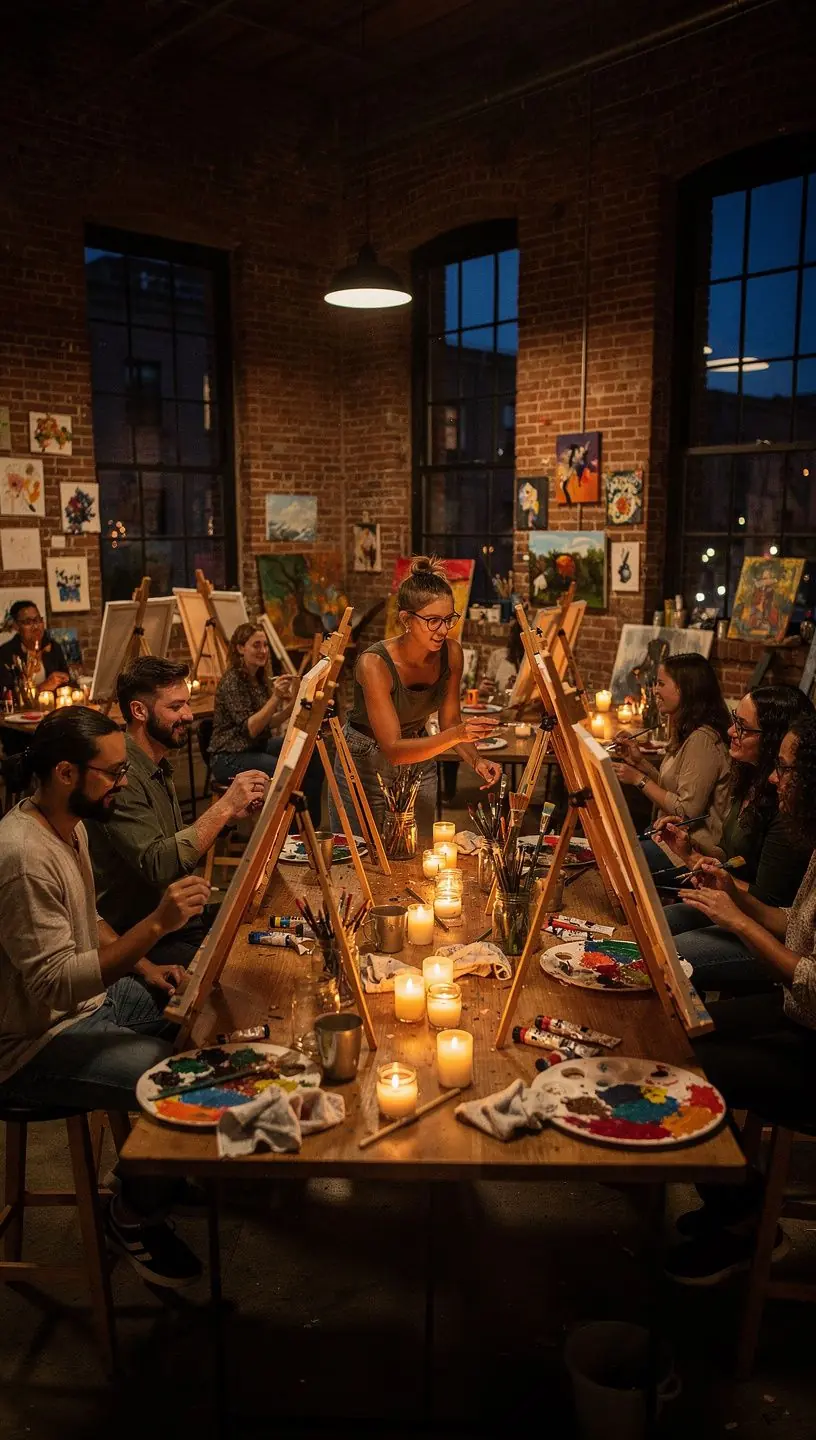
- Workshops: Many interactive spaces conduct workshops where participants can create their own art using digital tools. These sessions often require an investment of time, typically lasting several hours, and may involve learning curves related to the technologies used.
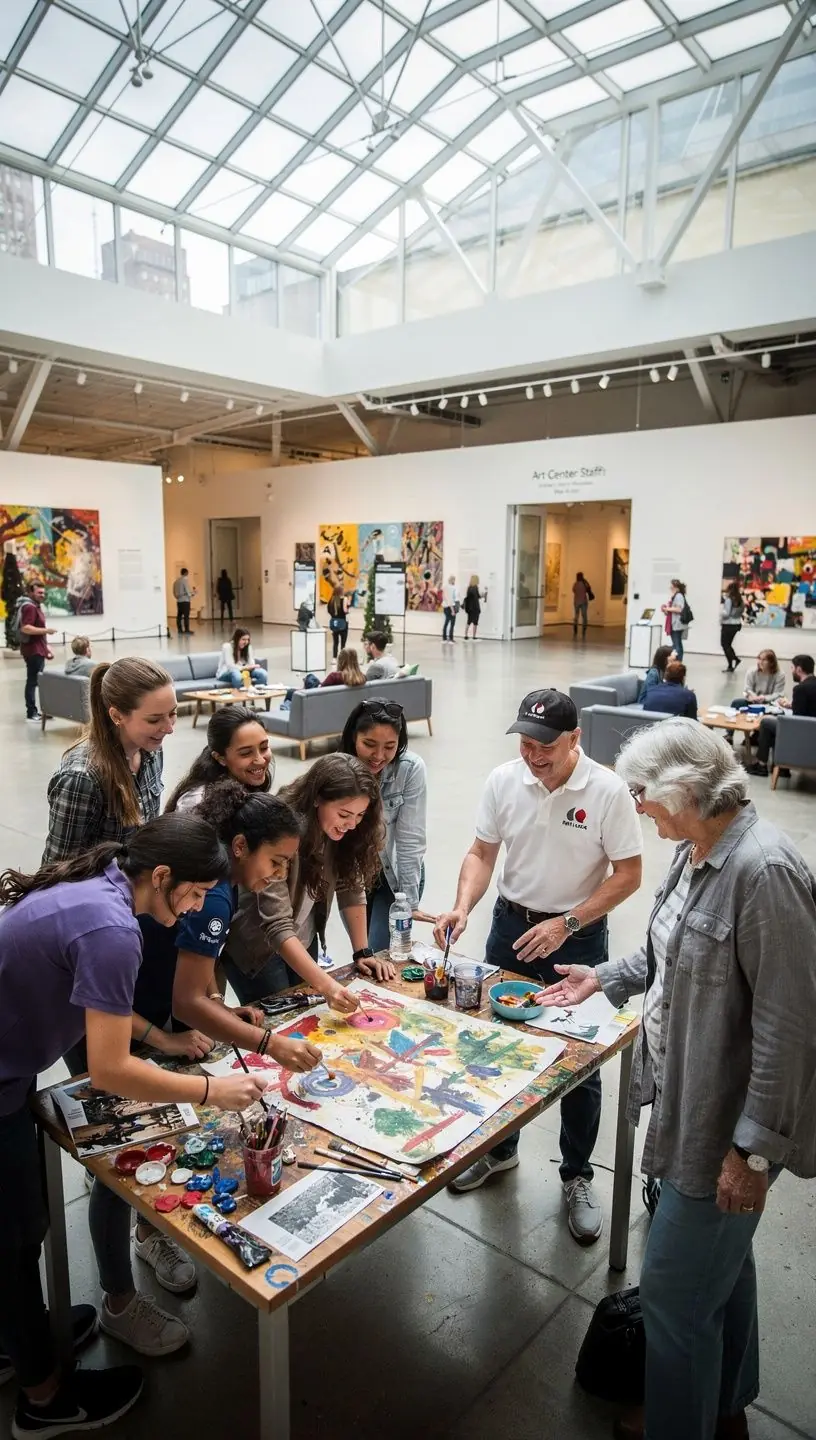
- Collaborative Projects: Engaging the community in collaborative art projects can yield remarkable results. Participants contribute to a collective artwork, which fosters a sense of community and shared creativity.
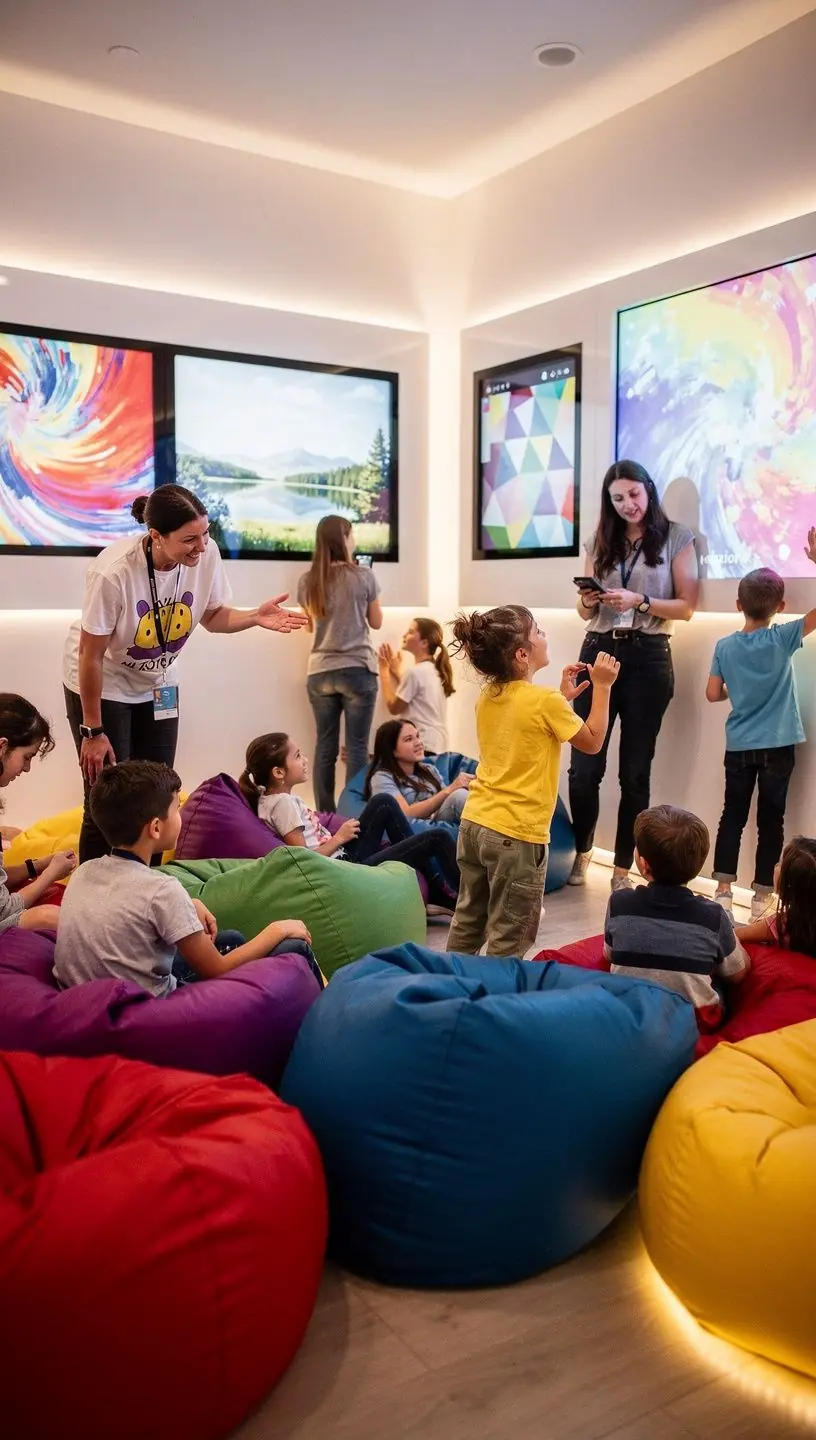
- Exhibition Layouts: Galleries might design their spaces to encourage interaction; for instance, including installations that respond to viewers’ movements or digital displays that change based on audience input. However, this requires careful planning to ensure the technology complements rather than overshadows the art.
Challenges and Considerations
While the intersection of art and technology presents exciting opportunities, it is essential to acknowledge some limitations:
- Technical Issues: Reliance on technology can lead to technical difficulties, which might disrupt an exhibition. Institutions must have a plan in place for maintenance and troubleshooting.
- Learning Curves: Participants may require time and training to effectively engage with new technologies, which can be a barrier to participation for some.
- Resource Allocation: Implementing high-tech installations often demands significant financial resources, which may not be feasible for all institutions.
Conclusion
As we continue to explore the intersection of art and technology, institutions and artists can create innovative and inclusive experiences that resonate with diverse audiences. By prioritizing education and accessibility, these interactive art spaces can not only enhance artistic expression but also foster a deeper connection to the community. While challenges exist, the potential benefits outweigh the drawbacks, paving the way for a future where art and technology coexist harmoniously.
Learn More