Navigating Accessibility in Interactive Art Spaces
As interactive art spaces gain popularity in Ireland, ensuring accessibility for all visitors has become a critical concern. This article explores how these venues can better accommodate diverse needs while offering engaging, hands-on experiences.
Understanding the Basics of Accessibility
Accessibility involves creating environments that can be navigated and enjoyed by everyone, including individuals with disabilities. According to the World Health Organization, around 15% of the global population experiences some form of disability. This statistic underscores the importance of inclusive practices in public venues, including art spaces. Experts recommend a multi-faceted approach that addresses physical, sensory, and cognitive accessibility.
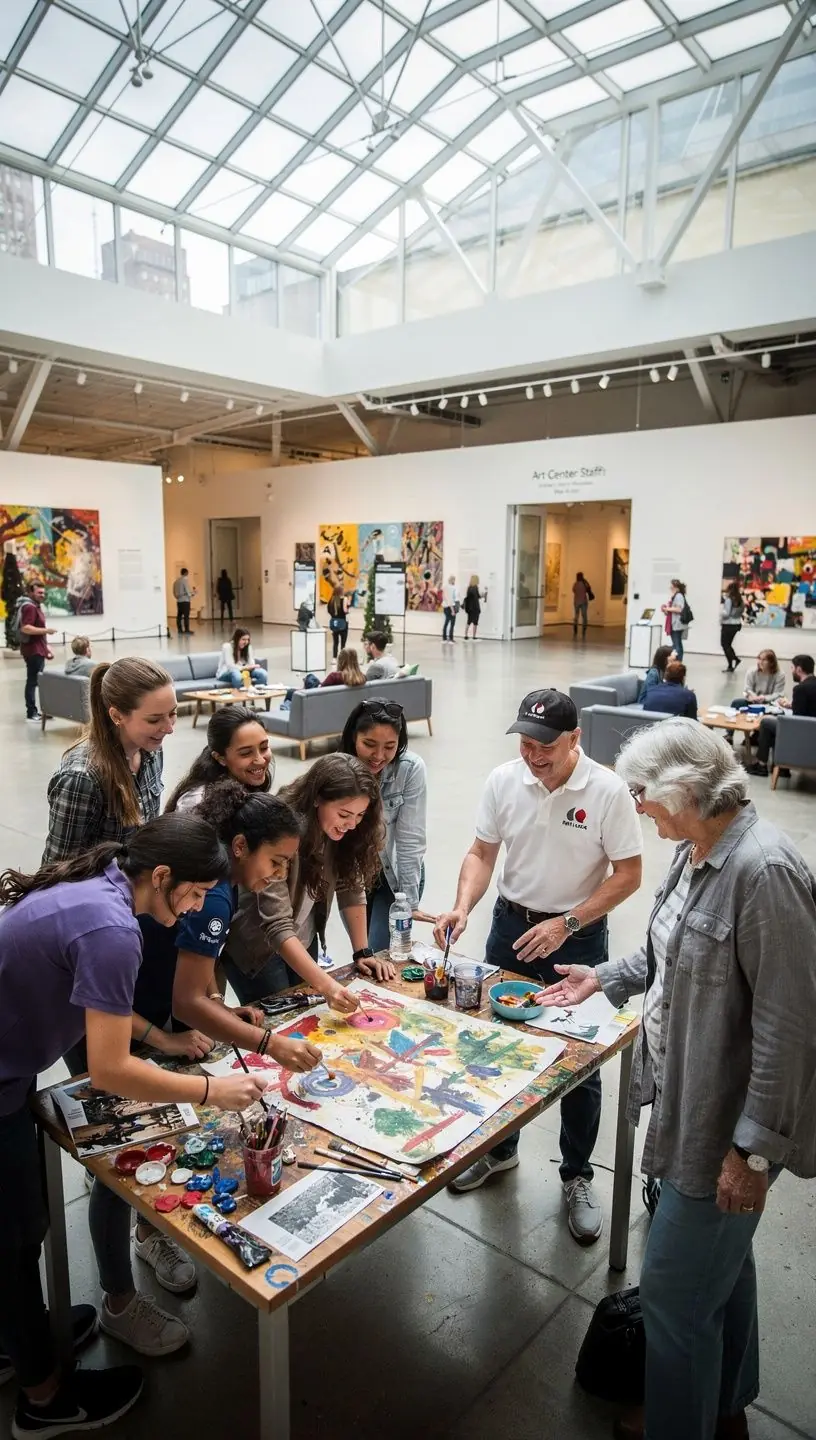
"Designing accessible art spaces not only benefits individuals with disabilities, but also enriches the experience for all visitors." - Accessibility Expert
Key Principles for Accessibility in Art Spaces
There are several principles that can guide the creation of accessible interactive art spaces:
- Physical Accessibility: Ensure that all areas, including restrooms, entrances, and exhibition spaces, are wheelchair accessible. This typically includes ramps, wide doorways, and accessible seating.
- Sensory Accessibility: Provide options for visitors with sensory sensitivities, such as quiet zones, tactile exhibits, and audio descriptions. Research indicates that sensory-friendly environments can enhance the experience for many users.
- Cognitive Accessibility: Use clear signage and simple language to guide visitors through the space. Many users report that clear communication helps reduce anxiety and improves navigation.
Implementing Best Practices
To effectively create an accessible interactive art space, consider the following best practices:
- Conduct Accessibility Audits: Regularly evaluate your space using guidelines from organizations such as Access Ireland or The Arts Council. These audits help identify areas for improvement.
- Engage with the Community: Collaborate with individuals with disabilities and advocacy groups to gather feedback. This engagement can provide valuable insights into specific needs and preferences.
- Provide Training for Staff: Equip staff with the knowledge and skills to assist visitors with diverse needs. Training programs can enhance understanding and foster a culture of inclusivity.
Challenges and Limitations
While striving for accessibility, it’s important to acknowledge potential limitations. Implementing these changes often requires time and financial resources. For example, retrofitting existing spaces with accessible features can be costly and time-consuming, typically taking several months to complete.
Moreover, not all solutions will work in every context. For instance, while sensory-friendly zones may be highly effective in some spaces, they might not be feasible in others due to layout or noise considerations. Understanding these challenges allows art spaces to set realistic expectations.
Conclusion
Creating accessible interactive art spaces is not just a legal requirement but a moral imperative that enriches the experience for everyone. By implementing thoughtful strategies and actively engaging with the community, art venues can foster inclusivity. While challenges exist, the journey towards accessibility can significantly enhance the cultural landscape in Ireland, allowing all visitors to experience the transformative power of art.