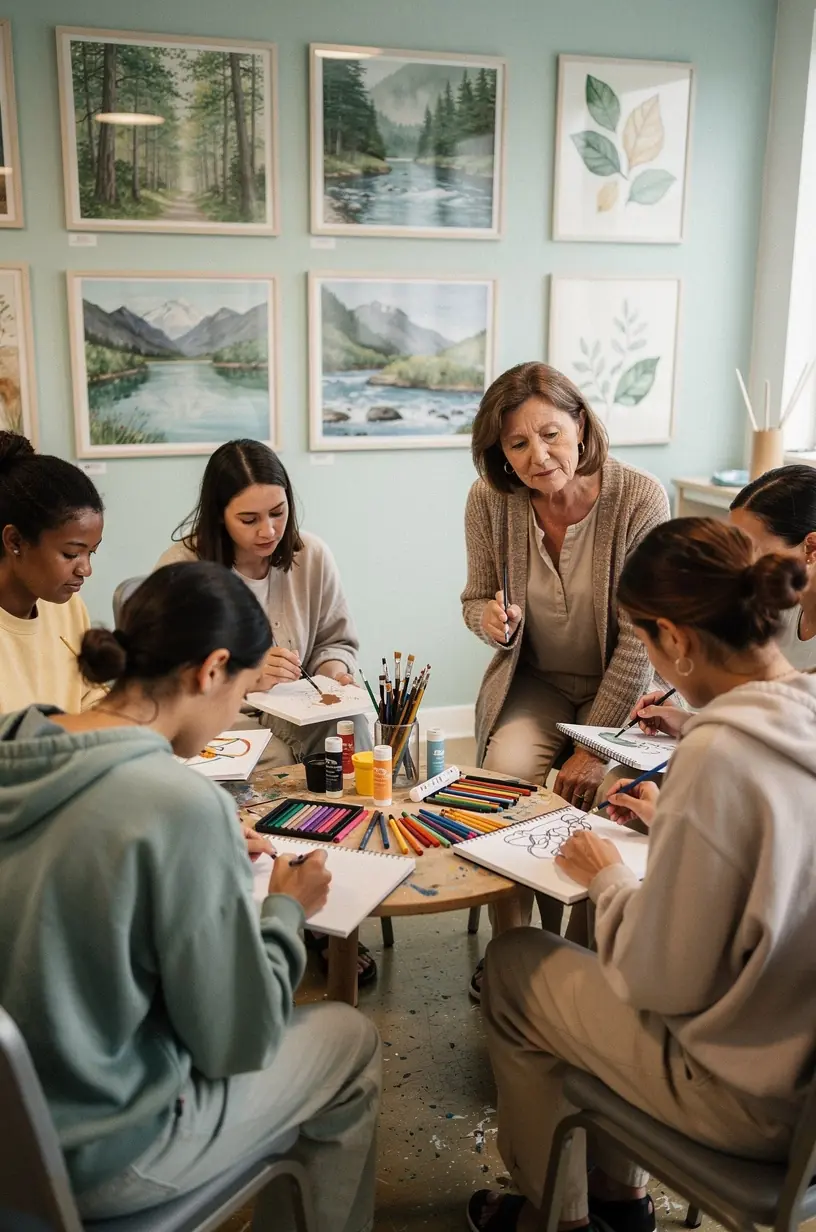
Exploring the Role of Interactive Art in Education
The integration of interactive art into educational settings offers innovative ways to enhance student engagement and learning outcomes. This article explores the importance of interactive art spaces and how they can foster creativity and critical thinking among learners.
Understanding the Basics
Interactive art has gained traction in educational environments, as research indicates that engaging students in hands-on creative experiences can significantly improve their learning retention. According to studies conducted by the National Art Education Association, students who participate in interactive art activities typically demonstrate a 15-20% increase in retention compared to traditional learning methods.
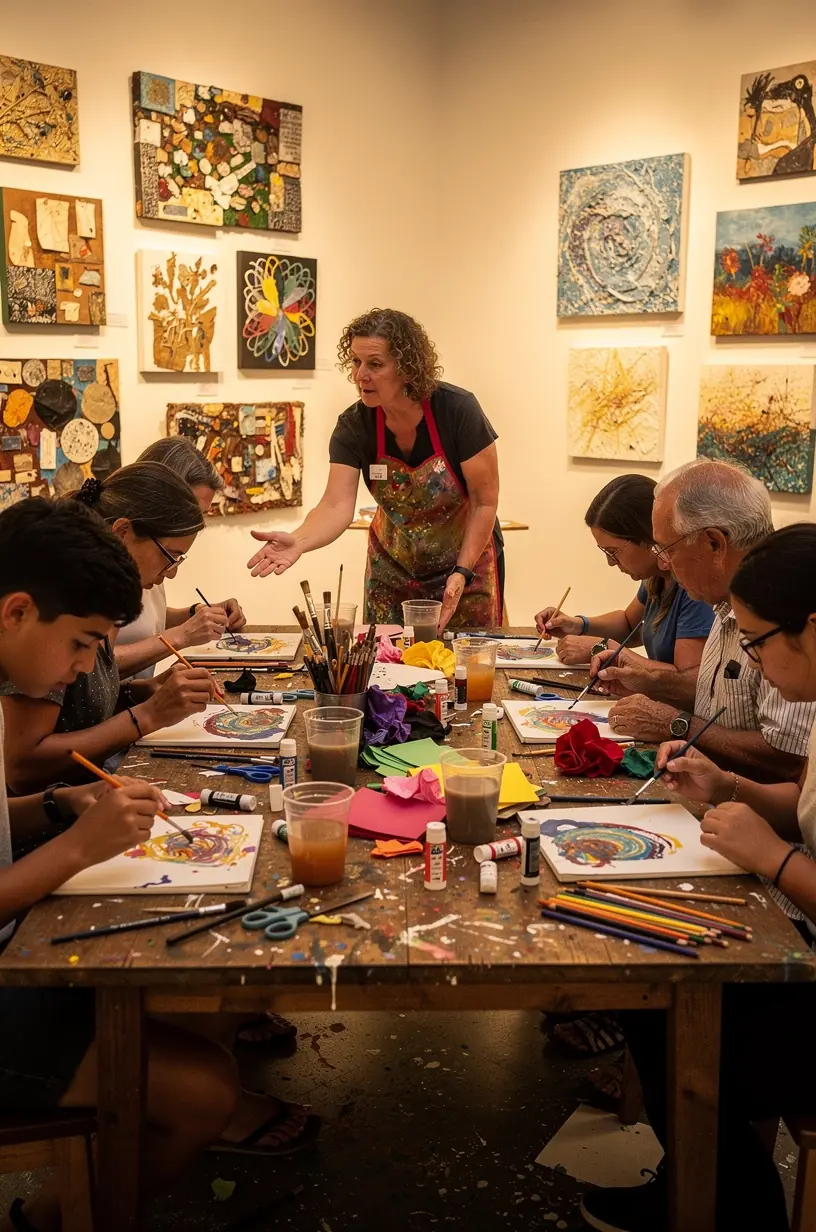
"Interactive art education not only enhances artistic skills but also promotes critical thinking and collaborative learning." - Art Education Journal
Why Interactive Art Matters
The principle behind interactive art is that it encourages active participation, allowing students to engage with the material in a meaningful way. This approach is effective because:
- Encourages Exploration: Students are often more inclined to explore new ideas and concepts when they can physically interact with the medium.
- Fosters Collaboration: Group projects and collaborative installations can help develop teamwork skills, which are essential in both academic and professional settings.
- Enhances Problem-Solving Skills: Engaging in art projects often requires students to think critically and find innovative solutions to challenges they encounter.
Practical Application in Educational Settings
To effectively incorporate interactive art into educational programs, consider the following strategies:
- Curriculum Integration: Design lessons that integrate art with subjects like science or history, allowing students to create projects that relate to the curriculum.
- Dedicated Art Spaces: Establish dedicated spaces within schools where students can freely engage in interactive art activities. Research suggests that having a designated area can significantly enhance student participation.
- Community Involvement: Invite local artists to collaborate with students, providing them with real-world insights and mentorship.
Acknowledging Limitations
While interactive art in education can be beneficial, it does come with certain limitations. Implementing these programs typically requires:
- Time Investment: Creating a comprehensive curriculum that includes interactive art can take several months of planning and execution.
- Resource Availability: Schools may need to invest in materials and tools that are essential for hands-on art activities.
- Training for Educators: Teachers may require training to effectively guide students through interactive art projects, which can involve a learning curve.
Conclusion
Interactive art represents a promising avenue for enhancing education by engaging students in creative and critical thinking processes. While there are challenges to implementing these programs, the potential benefits, including improved retention and collaboration, make it a worthwhile endeavor. By fostering an environment that encourages exploration and innovation, educators can help shape a new generation of creative thinkers.
Learn More