Designing Interactive Exhibitions: Key Principles
Creating engaging and interactive exhibitions that resonate with visitors requires a thoughtful approach. This article explores key principles of designing interactive art spaces, blending exhibitions with hands-on creative sessions. By understanding these concepts, curators and educators can enhance audience engagement and foster a deeper appreciation for art.
Understanding the Basics of Interactive Design
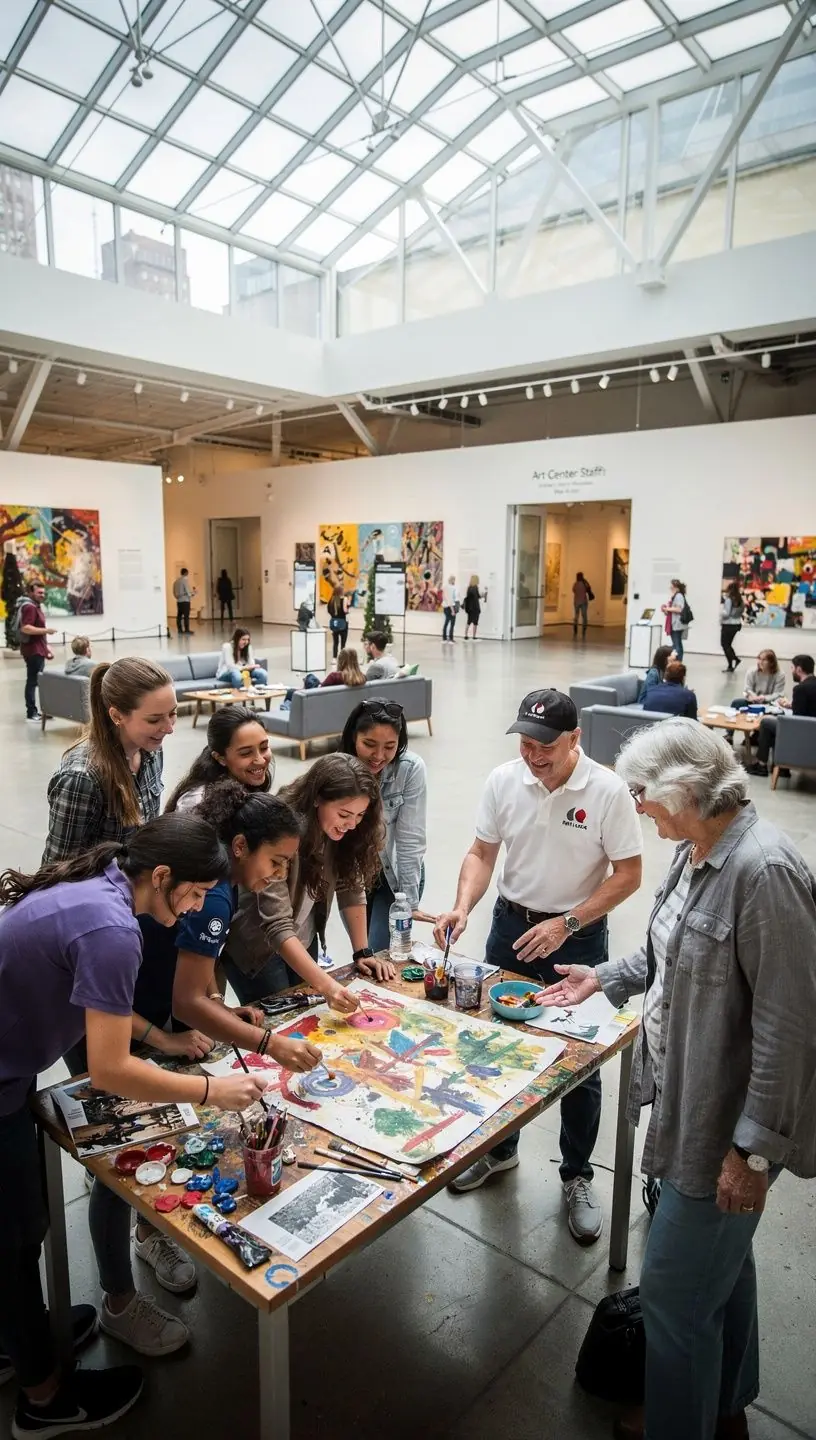
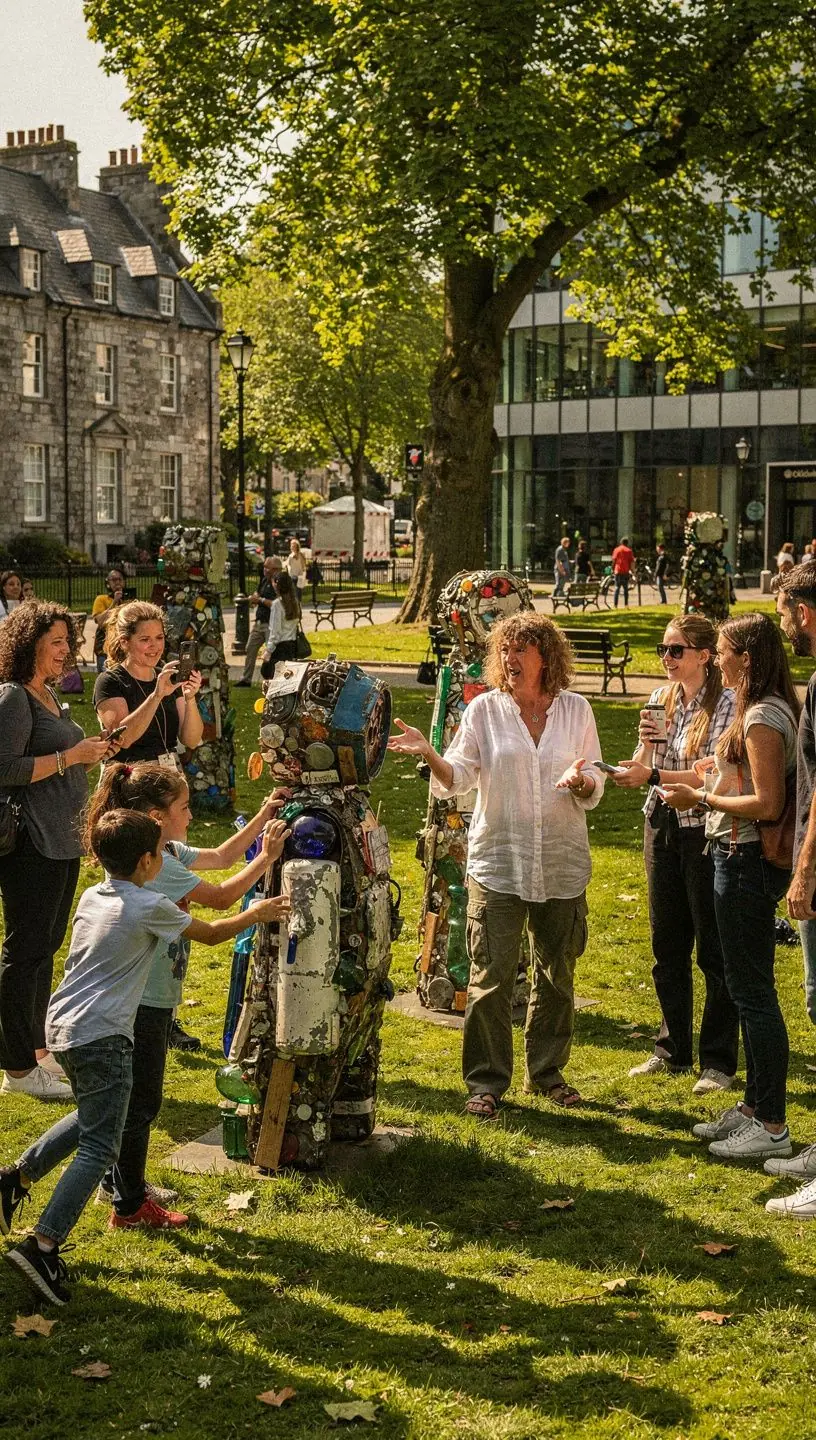
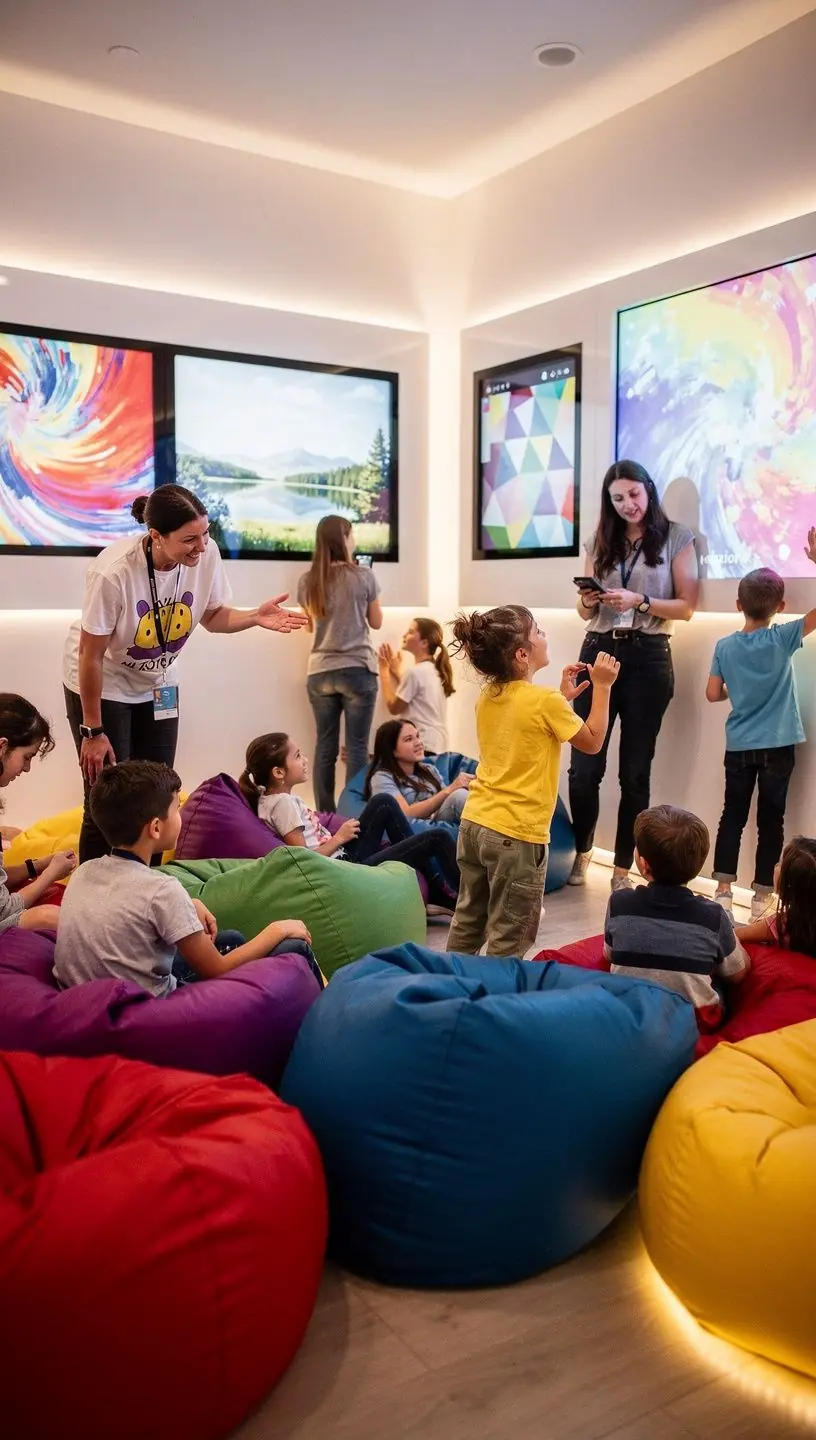
Interactive art spaces are designed to encourage audience participation and creativity. According to industry research, exhibitions that incorporate interactive elements can improve visitor satisfaction and retention rates. Experts recommend that curators consider how visitors will engage with the space and the artworks. This typically involves:

- Creating environments that invite exploration
- Incorporating technology, such as augmented reality (AR)
- Designing hands-on activities that foster creativity
"Interactive design transforms passive viewers into active participants, making the experience more memorable and impactful." - Art Education Journal
Key Principles for Designing Interactive Exhibitions
When designing interactive exhibitions, several key principles can guide the process:
1. Foster Engagement through Experience
Engagement is crucial for any interactive exhibition. Studies show that when visitors can touch, manipulate, or otherwise interact with art, they are more likely to form emotional connections. This principle works because:
- It encourages visitors to become part of the narrative, resulting in a more personal experience.
- Active participation can enhance learning opportunities, particularly in educational settings.
2. Prioritize Accessibility
Creating an inclusive environment is essential. Exhibitions should be designed to accommodate various abilities and backgrounds. Research indicates that accessibility can significantly expand an exhibition's audience. To achieve this, consider:
- Providing multiple ways to access content, such as audio descriptions or tactile elements.
- Ensuring physical spaces are navigable for all visitors, including those with disabilities.
3. Incorporate Feedback Loops
Feedback mechanisms are vital for refining interactive experiences. Many users report that they appreciate opportunities to share their thoughts or experiences. This may involve:
- Utilizing digital platforms for visitor feedback, such as polls or comment sections.
- Creating space for reflection, like journals or discussion areas.
Realistic Expectations for Implementation
Designing an interactive exhibition typically takes time and collaboration. Experts suggest that initial planning can take anywhere from 2 to 6 months, depending on the scale and complexity of the project. It's important to:
- Set clear goals for audience engagement and educational outcomes.
- Budget for necessary resources, including technology and materials for hands-on sessions.
- Involve artists and educators early in the process to ensure alignment with creative visions.
Conclusion
Creating interactive exhibitions is a dynamic process that can significantly enhance the visitor experience. By focusing on engagement, accessibility, and feedback, curators can design spaces that not only exhibit art but also invite active participation. As a result, visitors may leave with a deeper understanding and appreciation of the art and themes presented. Remember, successful interactive design is an ongoing journey that evolves with audience needs and technological advancements.
Learn More