Integrating Traditional Techniques with Modern Art Practices
As art continues to evolve, the blending of traditional techniques with modern practices presents a unique opportunity for artists and enthusiasts alike. This article explores how interactive art spaces can foster a creative environment that encourages exploration and experimentation.
Understanding the Basics
The integration of traditional art methods into contemporary practices is not just a trend; it is a necessary evolution in the art world. Experts in the field often suggest that this fusion allows for a richer artistic expression and a more profound connection to cultural heritage. According to a study conducted by the International Society of Art and Design, engaging with traditional techniques can enhance creativity and innovation in modern art forms.
"Blending traditional and modern techniques enables a dialogue between past and present, enriching the creative process." - Art Institute of Dublin
Practical Application
Implementing traditional techniques in modern art practices can be achieved through various methods:
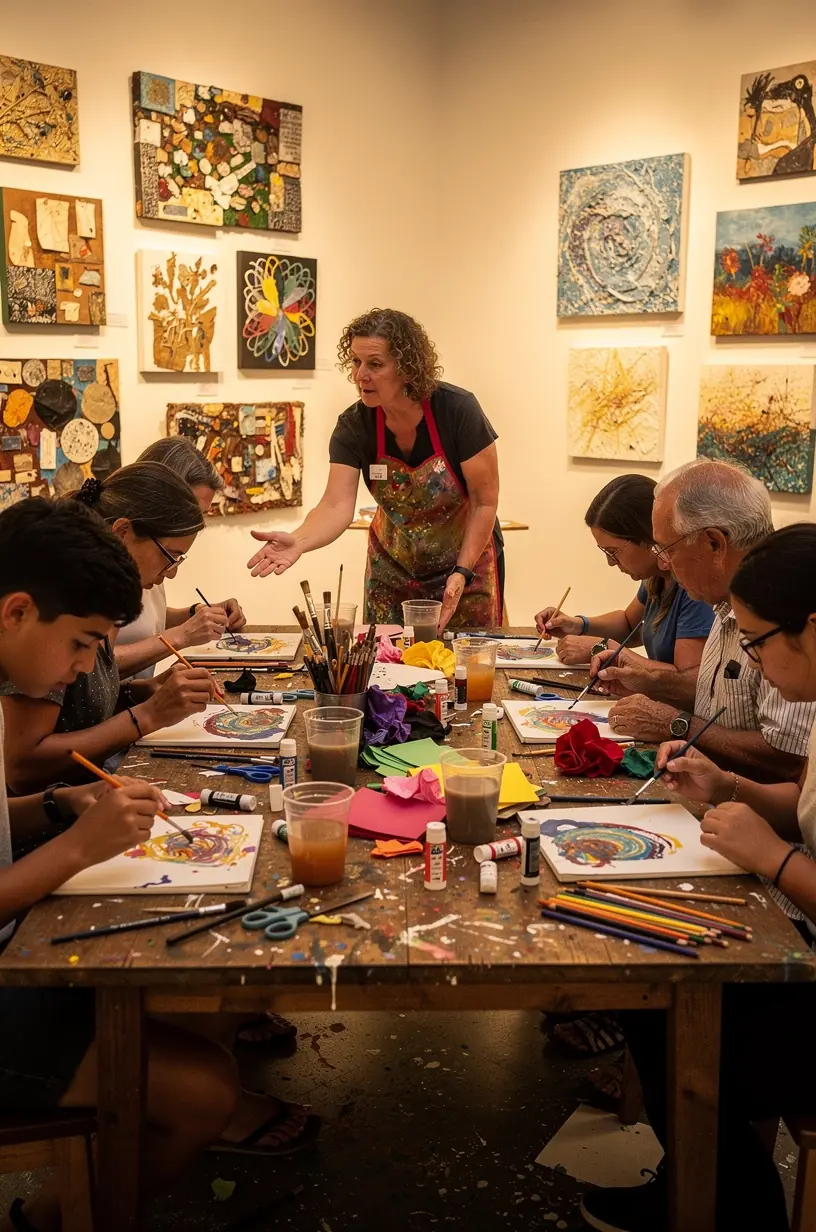
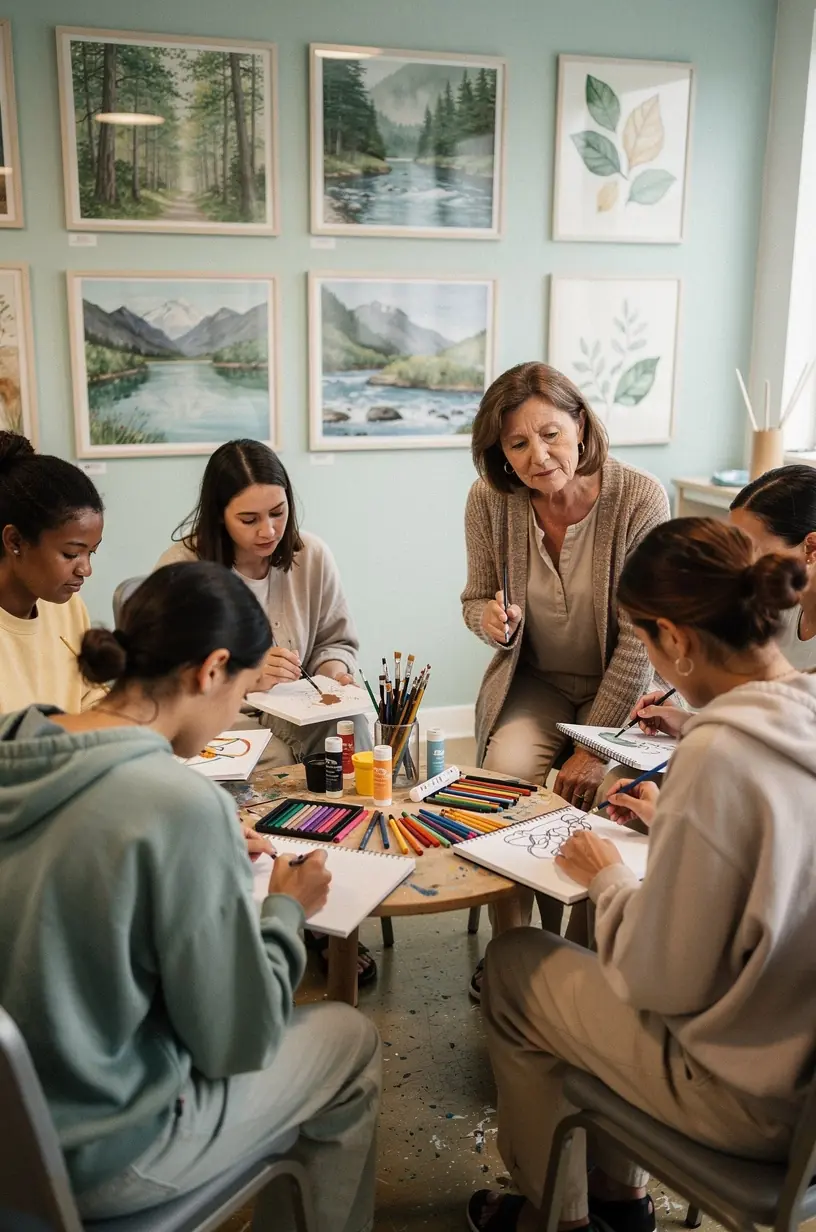
- Workshops and Sessions: Many interactive art spaces offer workshops that focus on traditional techniques such as pottery, weaving, or printmaking. These sessions typically last between two to four hours and are designed to cater to all skill levels.
- Experimentation: Encouraging experimentation with materials and methods allows participants to discover how traditional techniques can inform modern artistry. This process often involves a learning curve, requiring patience and dedication.
- Collaborative Projects: Collaborative creative sessions can benefit from integrating multiple disciplines, where artists can apply traditional methods to contemporary themes. This approach has been shown to foster community engagement and enhance creative output.
Benefits of Integration
Understanding the benefits of integrating traditional techniques with modern practices can fundamentally change how art is perceived and created:
- Cultural Appreciation: Engaging with traditional methods cultivates respect for cultural heritage and history, often leading to richer narratives in contemporary art.
- Enhanced Creativity: Studies indicate that incorporating a variety of techniques can lead to innovative outcomes, pushing artists to think outside conventional frameworks.
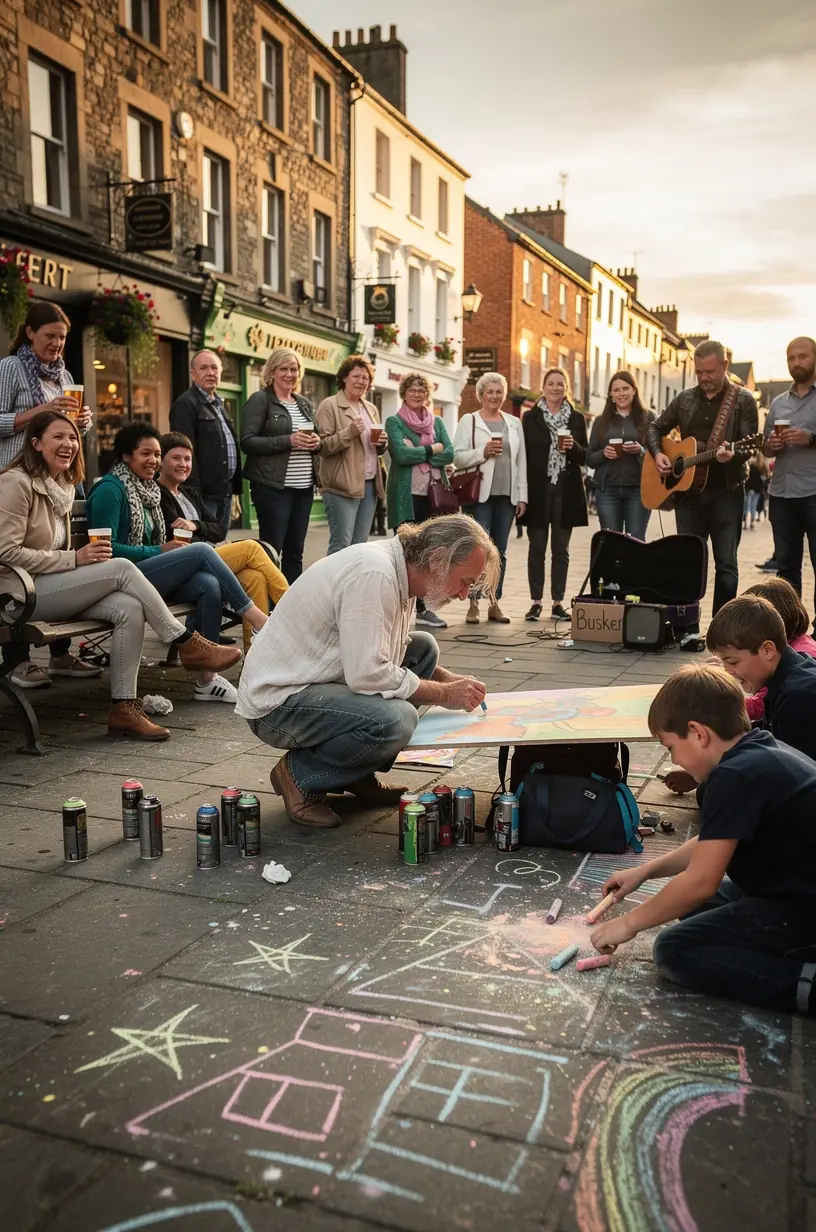
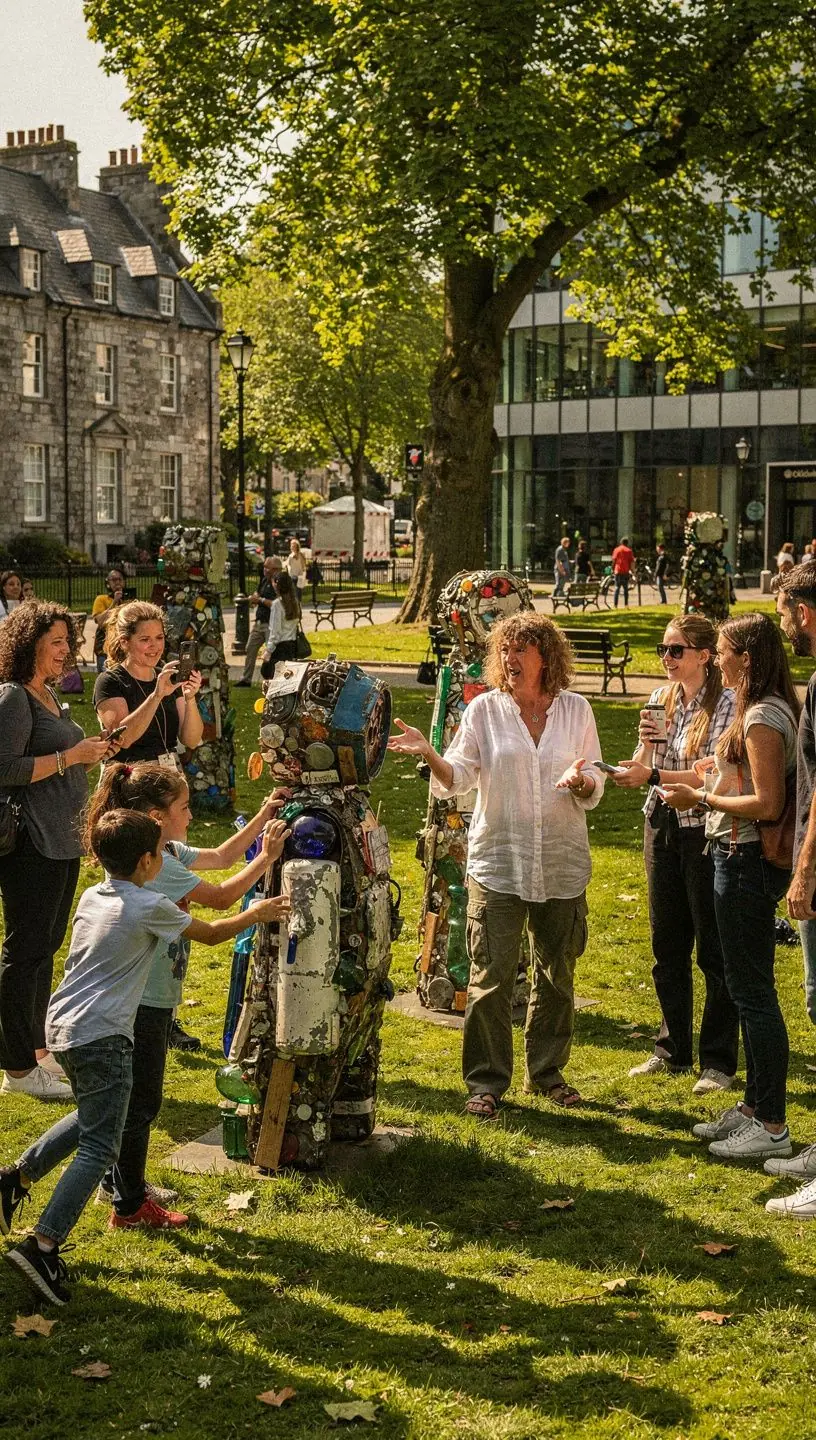
- Community Engagement: Interactive art spaces that promote these practices often see increased participation from diverse groups, fostering a sense of belonging and shared experience.
Challenges and Considerations
While the integration of traditional techniques with modern practices offers numerous advantages, it is essential to acknowledge some challenges:
- Time Commitment: Mastering traditional techniques requires time and often involves a significant learning curve. Participants should be prepared to invest several weeks practicing before they feel comfortable.
- Resource Availability: Not all interactive art spaces may have access to the necessary materials or skilled instructors to teach traditional techniques effectively.
- Balancing Tradition with Innovation: Artists must find a balance between honoring traditional practices and expressing contemporary influences, which can sometimes be challenging.
Conclusion
Integrating traditional techniques with modern art practices presents a valuable opportunity for artists and art enthusiasts to explore new creative horizons. By fostering environments where these practices can coexist, interactive art spaces can enhance cultural appreciation, boost community engagement, and inspire innovative artistic expression. As the art world continues to evolve, embracing this integration may prove beneficial for both artists and audiences alike.