How to Create an Interactive Art Workshop
Creating an interactive art workshop can be a rewarding experience, fostering creativity while engaging participants in hands-on activities. This article will guide you through the essential steps to design a workshop that blends art exhibitions with interactive sessions.
Understanding the Basics
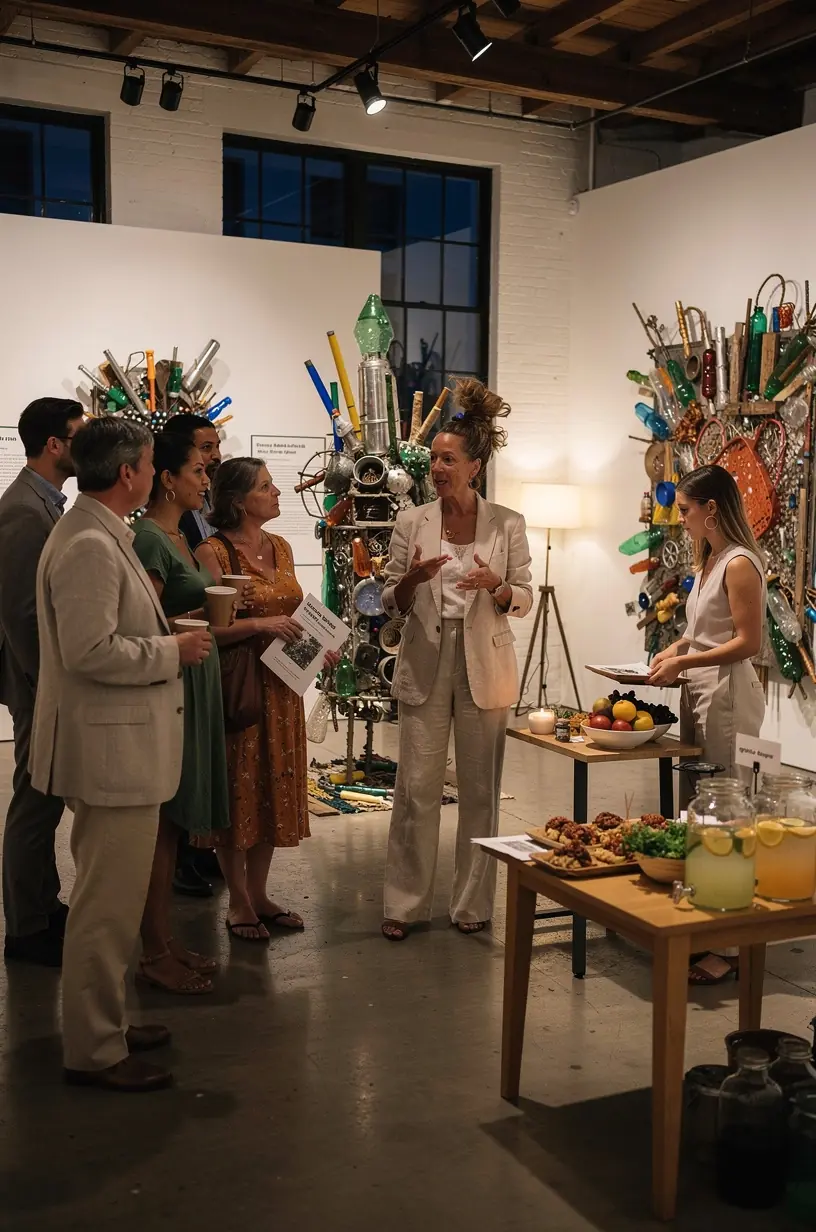
Before diving into the specifics, it’s important to understand what constitutes an interactive art workshop. According to industry experts, these workshops typically combine traditional art exhibitions with hands-on creative sessions. This approach not only showcases artistic talent but also encourages participants to express their creativity in a supportive environment.
"Interactive workshops can enhance participant engagement and foster a deeper appreciation for art." - Art Education Journal
Key Components of an Interactive Art Workshop
A successful interactive art workshop generally includes the following components:
- Artistic Theme: Choose a theme that resonates with your target audience. Research shows that workshops centered around relevant themes can attract more participants.
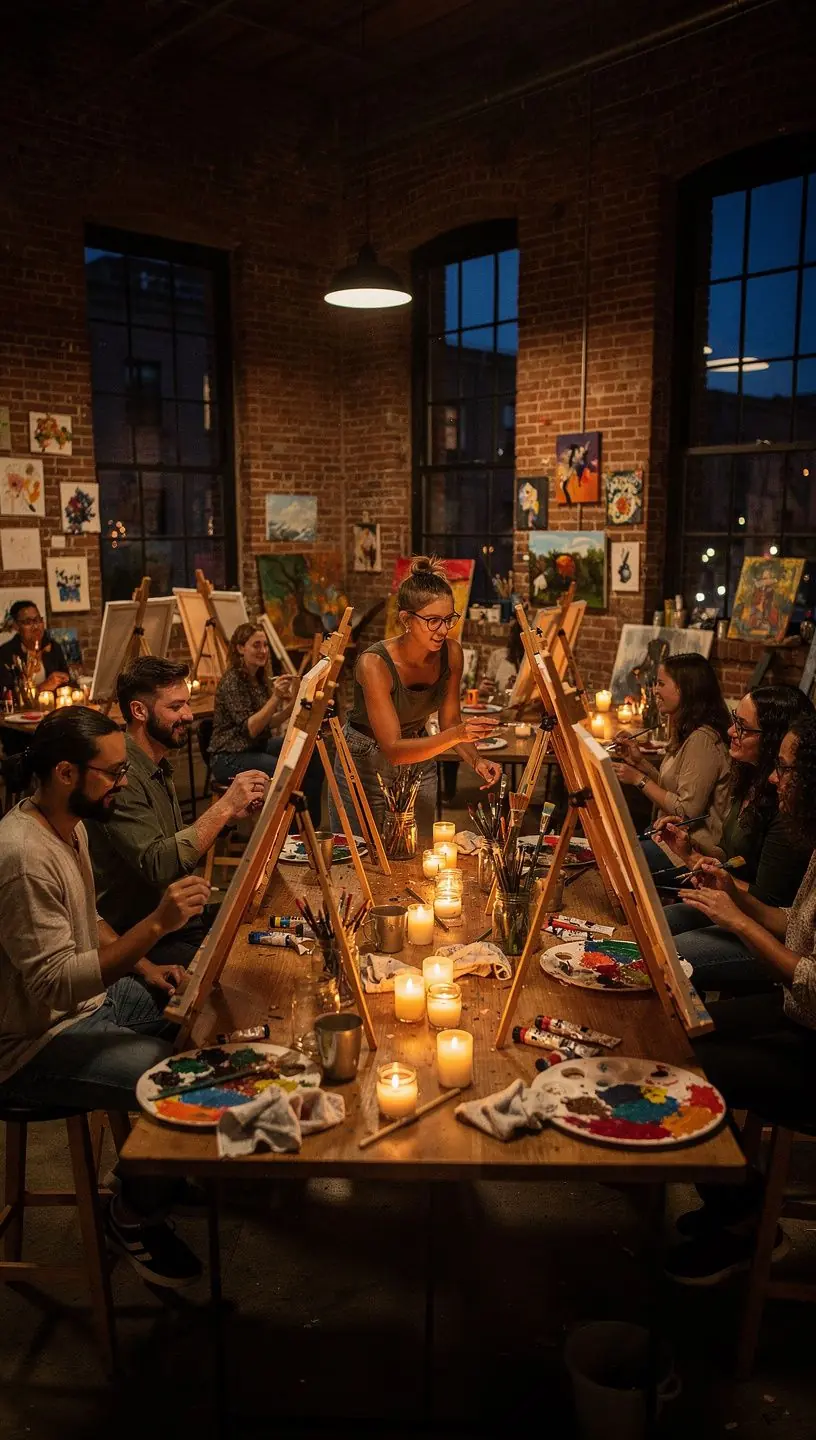
- Materials Preparation: Ensure that all necessary materials are available and accessible. This often involves sourcing supplies that encourage creativity, such as paints, canvases, and other art tools.
- Facilitator Expertise: Collaborate with experienced facilitators who can guide participants through creative processes. Their expertise can significantly enhance the learning experience.
Step-by-Step Guide to Designing Your Workshop
Here’s a straightforward approach to structuring your interactive art workshop:
- Define Your Goals: Establish what you want to achieve. This can include enhancing participant creativity, improving artistic skills, or simply providing a fun experience.
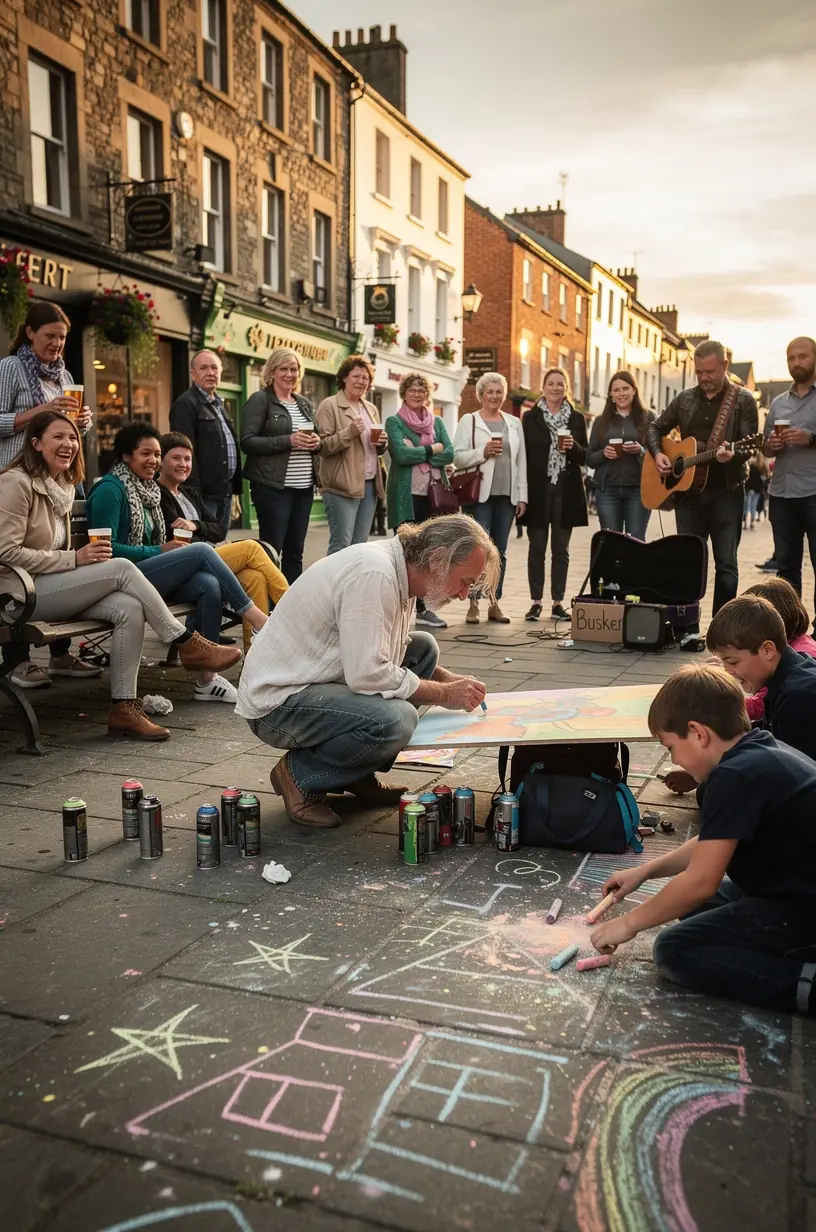
- Select a Location: Choose a space conducive to creativity and collaboration. Many users report that outdoor spaces or well-lit studios can enhance the overall atmosphere.
- Promote Your Event: Utilize social media, community boards, and local art groups to promote your workshop. Research indicates that effective marketing can increase participation rates by up to 40%.
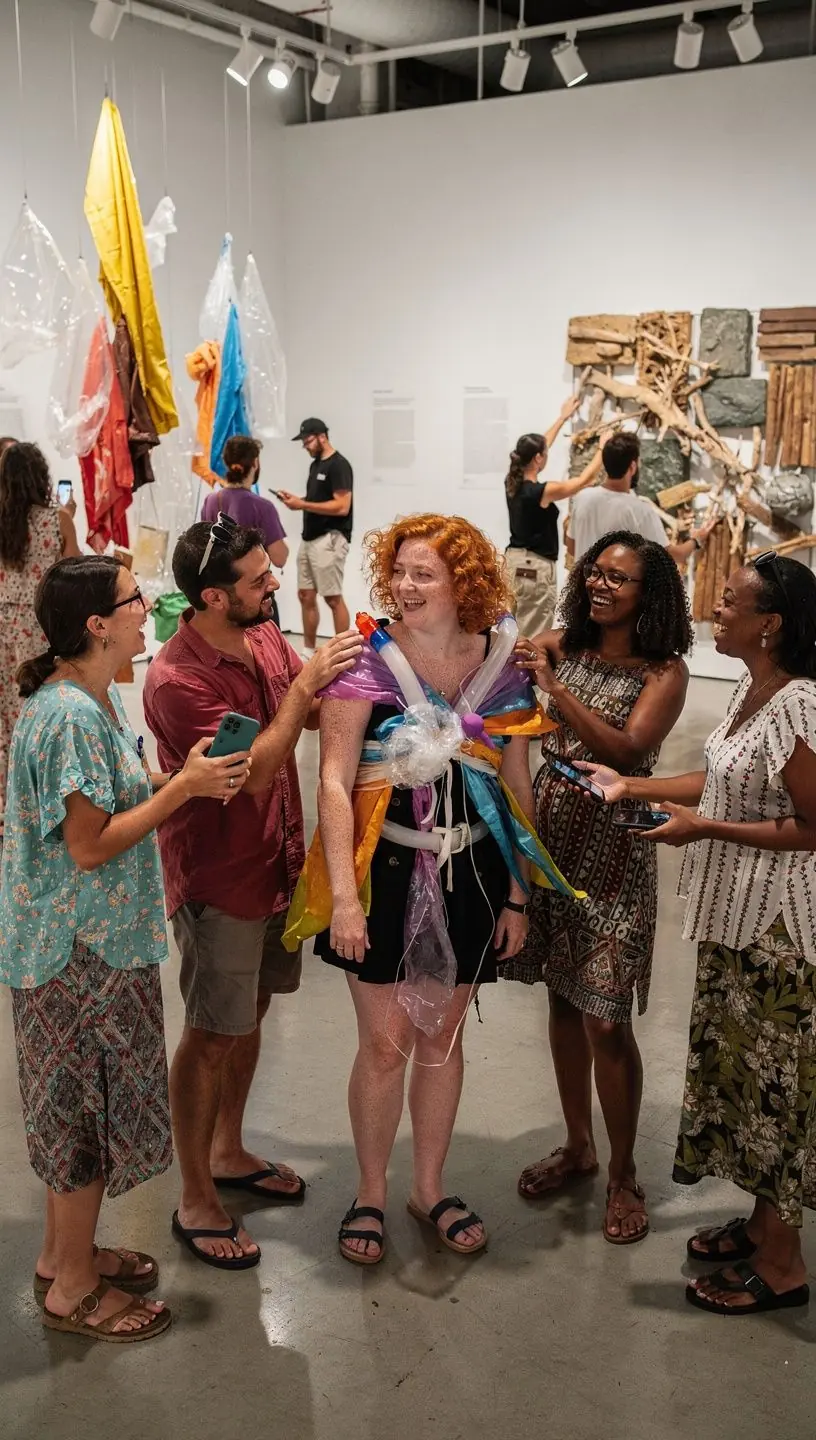
- Engage Participants: During the workshop, encourage interaction among participants. Activities that foster collaboration typically lead to more profound engagement and creativity.
- Feedback Collection: After the event, gathering feedback is essential. This helps assess the effectiveness of your workshop and identify areas for improvement.
Challenges and Considerations
While interactive art workshops can be highly beneficial, there are some challenges to consider:
- Time Commitment: Planning and executing a workshop typically takes 2-4 weeks, depending on the complexity of the activities.
- Skill Levels: Participants may have varying levels of artistic ability. It's important to create a supportive environment that accommodates everyone.
- Resource Management: Ensuring that materials are used efficiently can sometimes be challenging, especially in larger groups.
Conclusion
Establishing an interactive art workshop involves thoughtful planning and a commitment to fostering creativity. By understanding your audience, preparing adequately, and engaging participants, you can create an enriching experience that combines the beauty of art with interactive exploration. Remember to set realistic expectations, as the process may require some trial and error to perfect. Ultimately, the goal is to inspire participants and allow them to connect with art in a meaningful way.
Learn More