Fostering Community Through Collaborative Art Projects
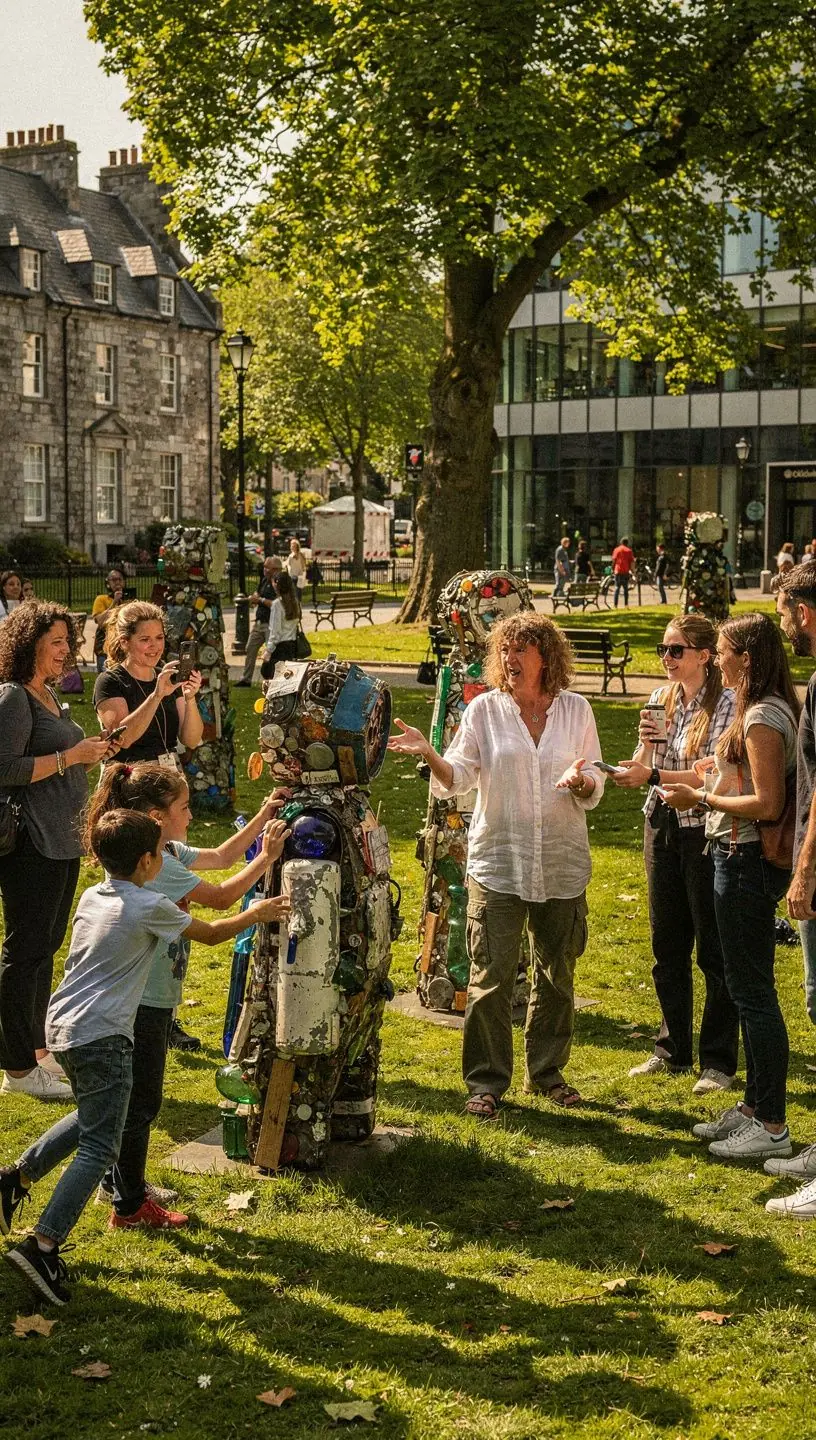
Art has long been recognized as a powerful tool for bringing people together. Through interactive art spaces, communities can engage in collaborative projects that not only enhance their creative skills but also foster meaningful connections among participants. In this article, we will explore how collaborative art initiatives can cultivate community spirit and support personal growth.
Understanding the Role of Collaborative Art
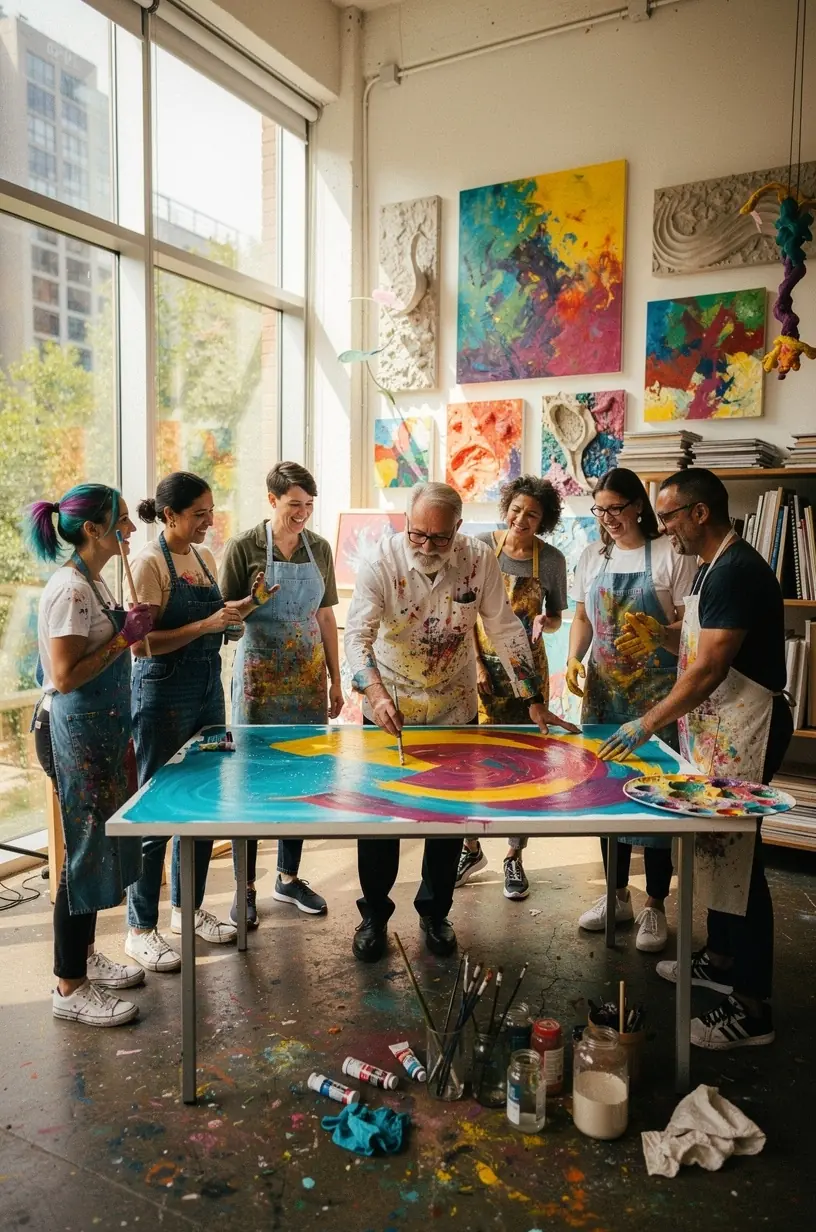
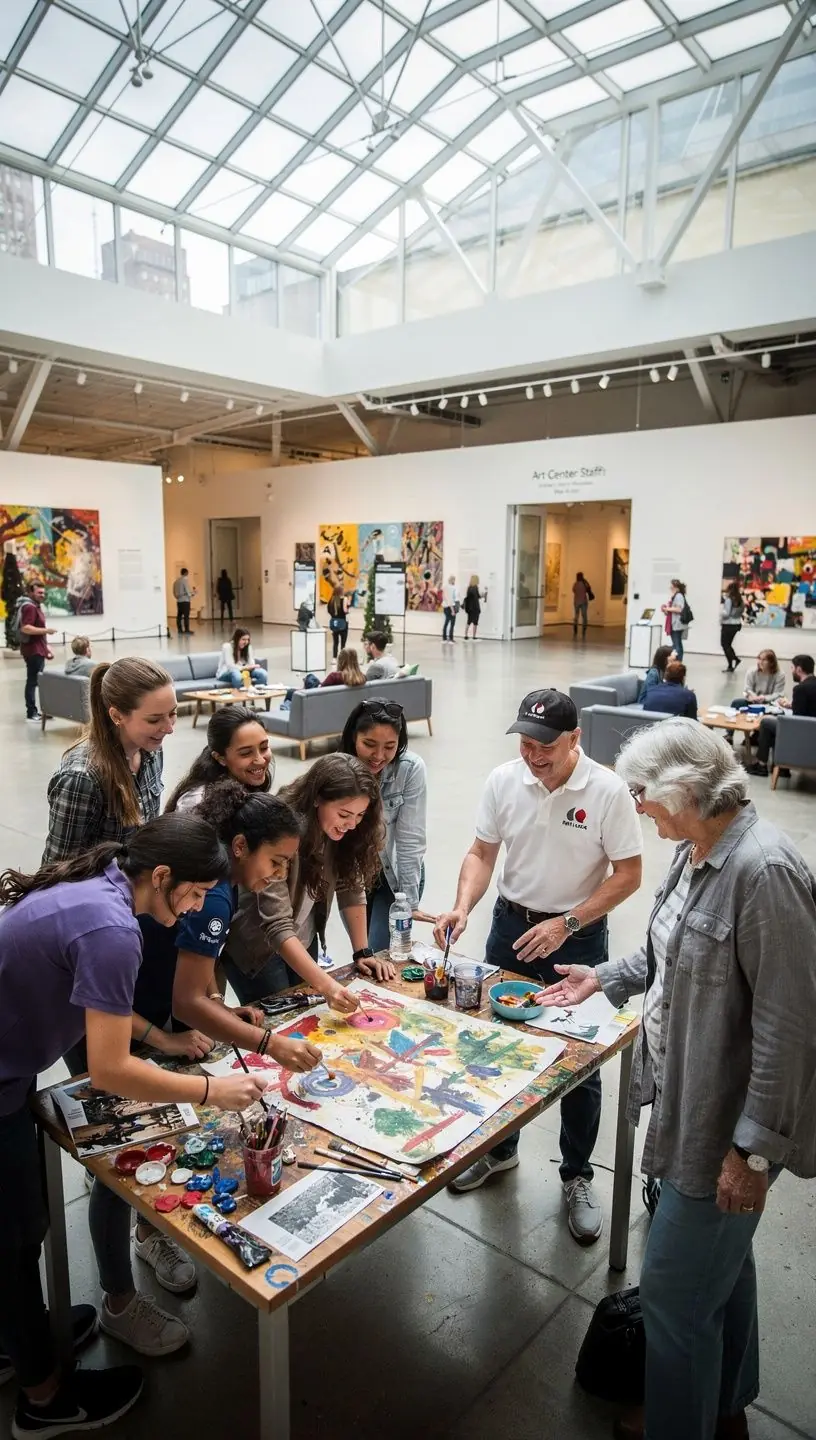
Collaborative art projects often serve as a platform for individuals to express themselves while working towards a common goal. According to research by the National Endowment for the Arts, community-based art initiatives can significantly enhance social cohesion and encourage a sense of belonging among participants. This works because when individuals collaborate, they share diverse perspectives and skills, which can lead to innovative outcomes and deeper relationships.
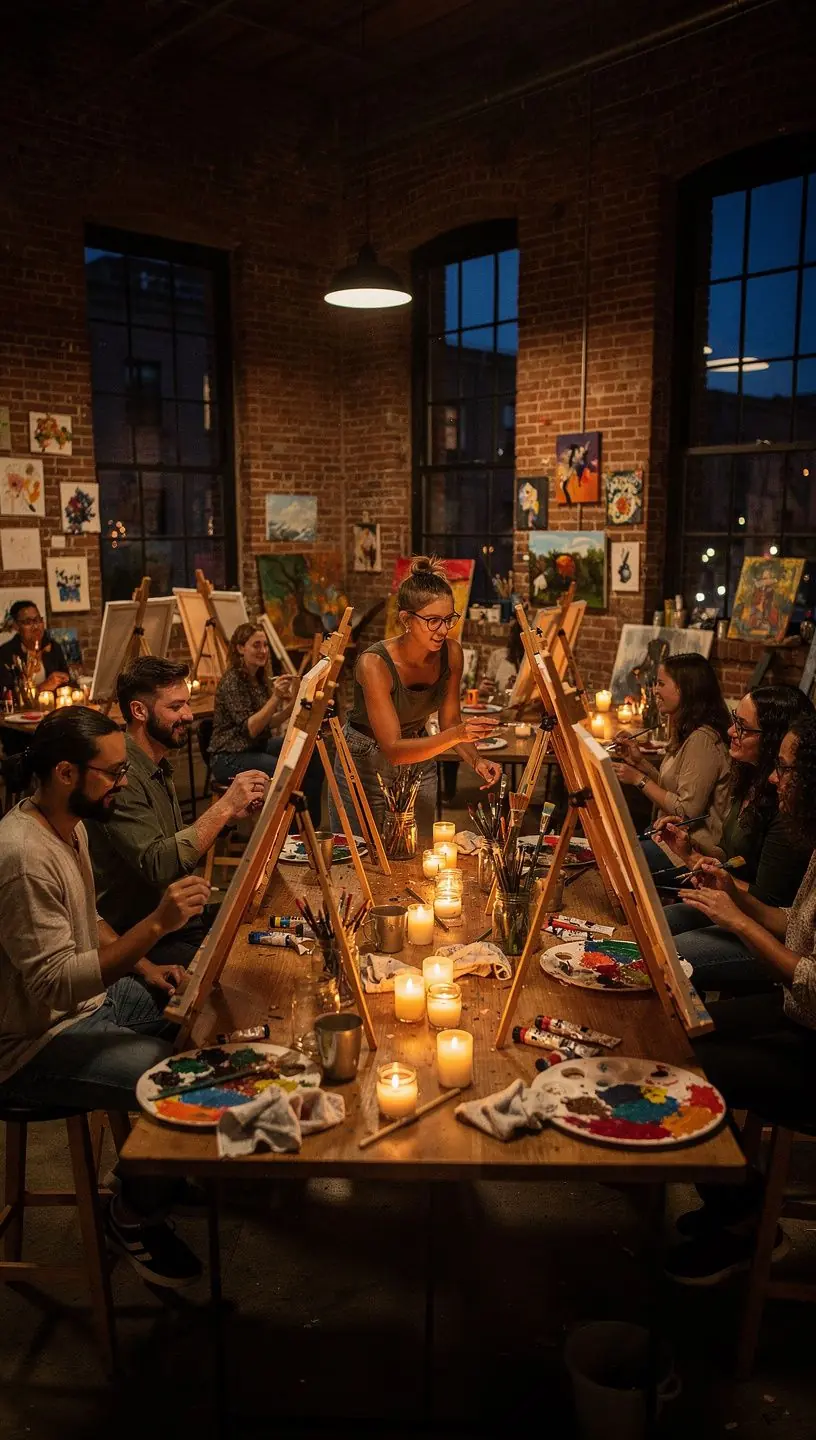
"Art brings people together, creating a shared experience that fosters understanding and acceptance." - Community Art Expert
The Benefits of Collaborative Art Projects
Engaging in collaborative art projects can have multiple benefits, including:
- Social Interaction: Participants often report increased feelings of connection and support, which can enhance overall mental well-being.
- Skill Development: Many users find that working alongside others allows them to learn new techniques and improve their artistic abilities.
- Cultural Exchange: These projects can also provide opportunities for cultural sharing and understanding, enriching the community's diversity.
Implementing Successful Collaborative Projects
To create impactful collaborative art projects, it is essential to consider several factors:
- Setting Clear Objectives: Define what you hope to achieve through the project. This can include enhancing community engagement, creating public art, or providing a platform for emerging artists.
- Encouraging Participation: Actively invite community members to join and contribute, considering diverse backgrounds and skill levels. Research indicates that inclusivity can lead to richer artistic outcomes.
- Providing Resources: Ensure that participants have access to necessary materials, guidance, and space to create. This investment can significantly influence the project’s success.
Challenges and Considerations
While collaborative art projects can be rewarding, they are not without challenges. Participants may need to navigate differences in artistic vision and working styles, which can sometimes lead to conflict. It is essential to establish ground rules and facilitate open communication to address these issues effectively.
Additionally, these projects typically require a significant time commitment, often spanning several weeks or months. Participants should be prepared for a learning curve, as collaboration often involves compromise and negotiation.
Conclusion
Collaborative art projects present a unique opportunity for communities to come together, fostering social connections and personal growth. By understanding the principles behind successful initiatives and acknowledging the challenges involved, organizers can create meaningful experiences that resonate long after the project concludes. As communities in Ireland continue to explore the potential of interactive art spaces, these collaborative endeavors can help build a stronger, more connected society.
Learn More