The Benefits of Hands-On Learning in Art Spaces
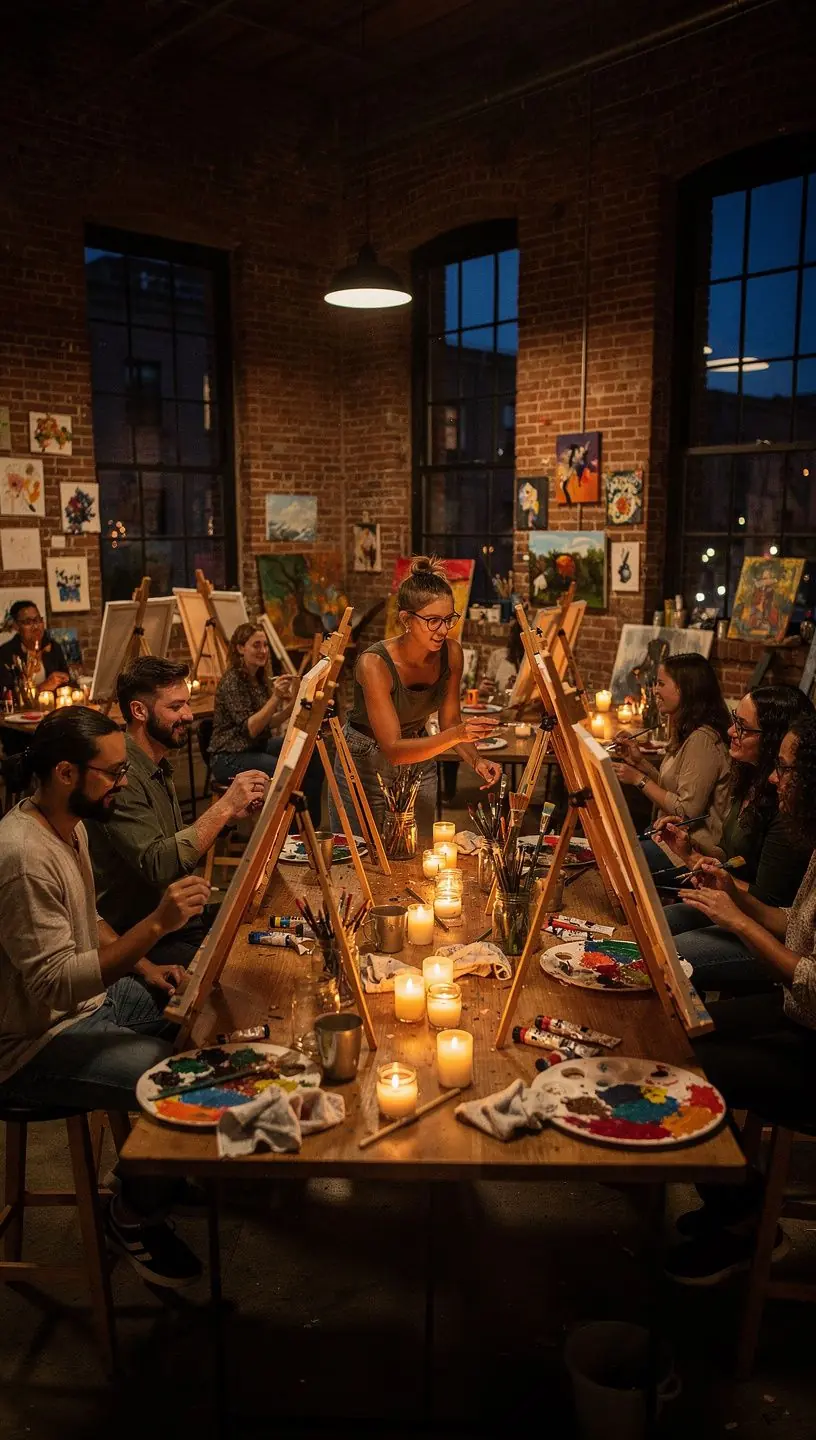
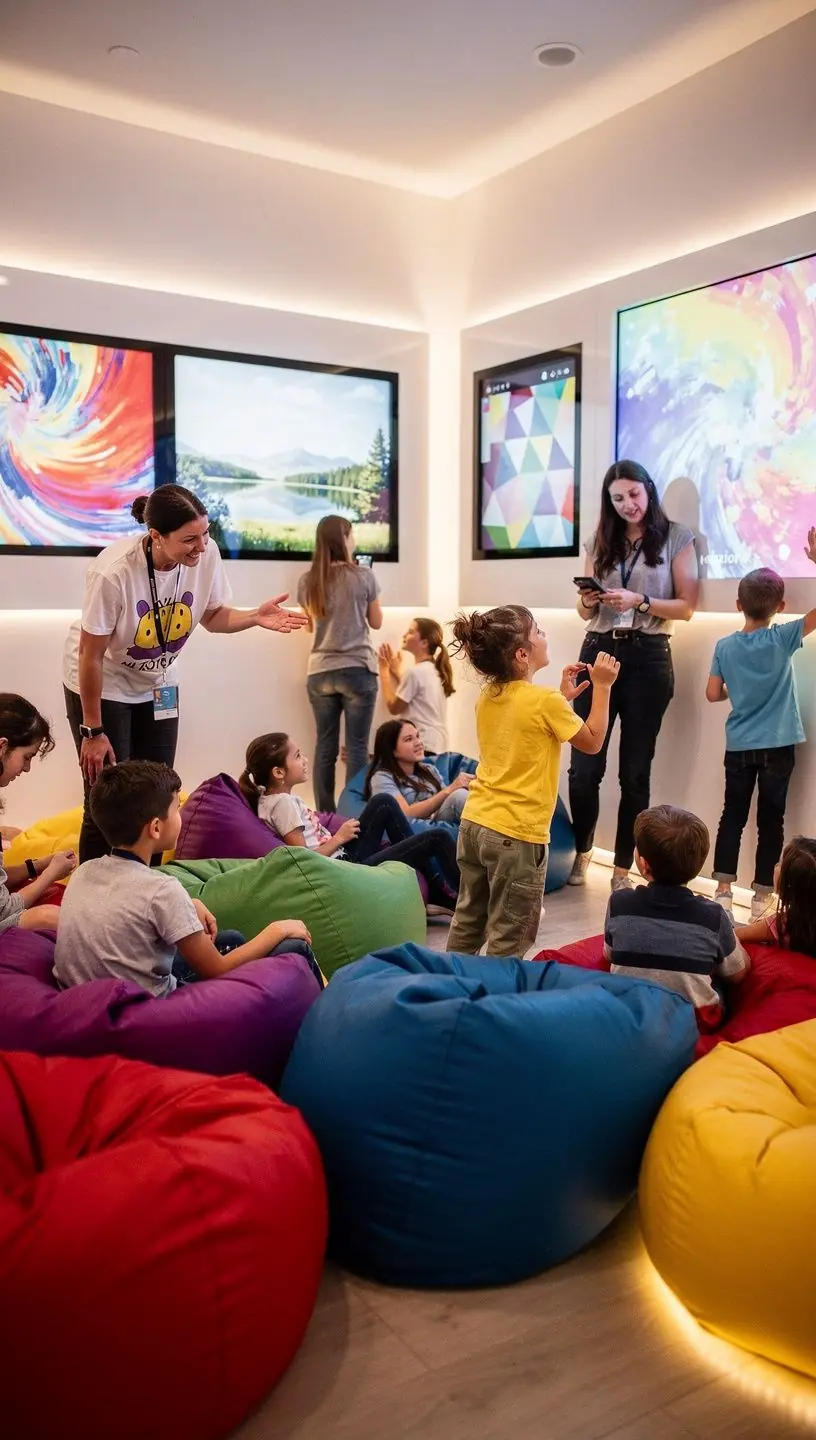
In the ever-evolving world of art, blending exhibitions with hands-on creative sessions has become a pivotal approach to enhancing learning experiences. This article explores the benefits of hands-on learning in art spaces and why such environments can significantly enrich artistic education.
Understanding the Basics of Hands-On Learning
Hands-on learning, often referred to as experiential learning, involves active participation in the learning process. According to educational research, this method can enhance retention significantly. Studies show that learners typically retain 70% of what they experience through direct involvement, compared to merely 10% of what they read. This principle is particularly relevant in art spaces, where the act of creation fosters deeper understanding and appreciation of artistic concepts.
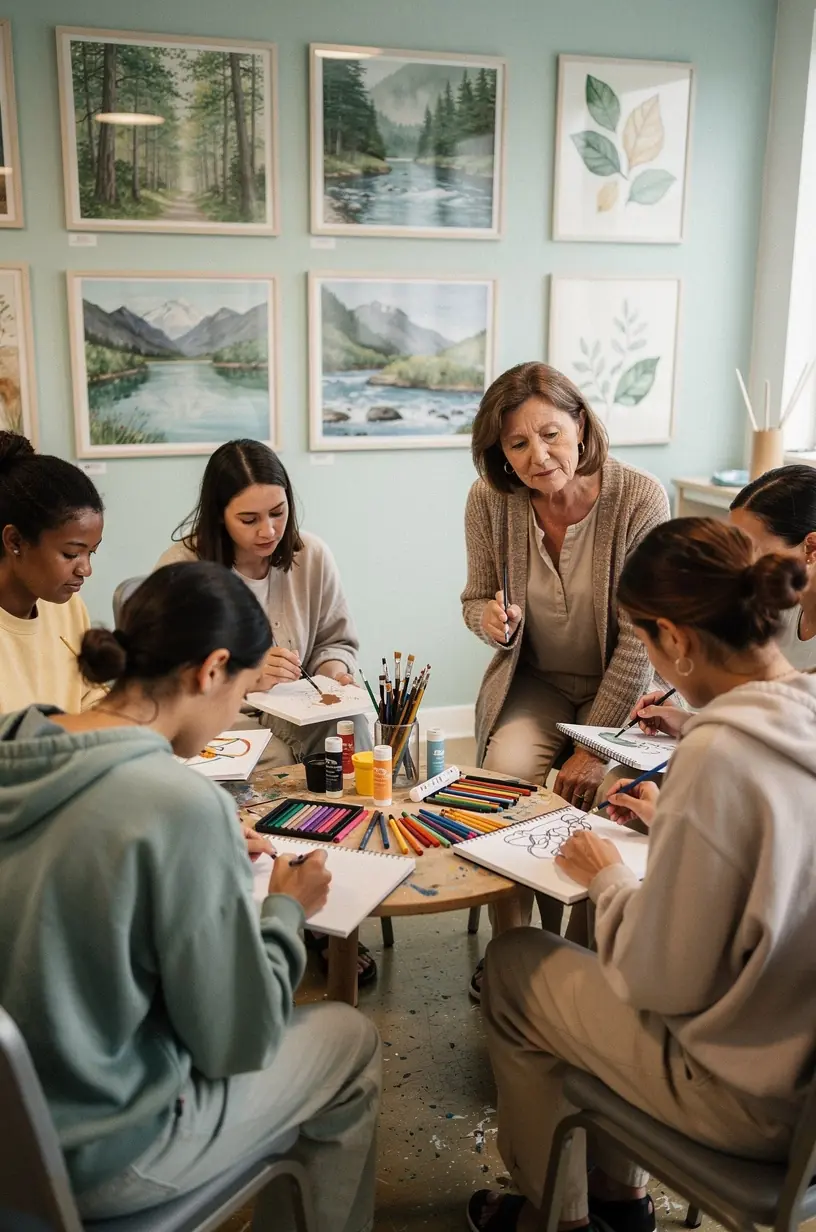
"Engaging directly with materials and techniques allows individuals to develop a personal connection with the art they create." - Art Education Expert
The Impact on Creativity and Skill Development
Participating in hands-on creative sessions can lead to notable improvements in both creativity and technical skills. Research indicates that environments that encourage experimentation can help individuals develop a more innovative mindset. Here are some key benefits:
- Enhanced Creativity: Many users report that hands-on experiences stimulate creative thinking, often leading to unique artistic outcomes.
- Skill Acquisition: Engaging with diverse mediums and techniques provides practical experience, which is crucial for mastering artistic skills.
- Increased Confidence: Successfully completing creative projects boosts self-esteem, encouraging individuals to take on new challenges in their artistic journeys.
Building Community and Collaboration
Art spaces that promote hands-on learning often foster a sense of community and collaboration among participants. Group workshops and collaborative projects not only allow individuals to share ideas but also facilitate networking opportunities. Experts recommend that such collaborative environments can:
- Encourage Peer Learning: Participants can learn from one another, exchanging techniques and perspectives that enhance their overall experience.
- Build Support Systems: A community atmosphere helps individuals feel supported, which is crucial for personal growth in artistic endeavors.
- Facilitate Feedback: Collaborating with peers allows for constructive criticism, which is essential for artistic development.
Acknowledging Limitations and Challenges
While the benefits of hands-on learning in art spaces are substantial, it is important to acknowledge some limitations. Such programs often require a time commitment; participants typically need to allocate several hours per week to fully engage in the process. Additionally, hands-on learning may involve a learning curve, especially for those new to certain techniques or materials.
In most cases, these creative sessions work best when participants have a genuine interest in art and a willingness to learn. It is also essential to recognize that while hands-on experiences can significantly enhance skills, they may not replace the foundational knowledge that comes from more traditional forms of learning, such as studying art history or theory.
Conclusion: Setting Realistic Expectations
In conclusion, hands-on learning in art spaces offers numerous benefits, from enhancing creativity and skill development to building a supportive community. By actively engaging in the artistic process, participants can expect to see improvements over time, typically within a few months of commitment. However, it is crucial to approach this learning method with realistic expectations regarding the time and effort involved.
Ultimately, the journey of artistic growth is personal and varies for each individual. Art spaces that blend exhibitions with interactive sessions provide a valuable platform for exploration and discovery, making them integral to the artistic community.
Learn More